
Harnessing AI in Building Information Modeling (BIM)
Si
Introduction to AI in BIM
Building Information Modeling (BIM) has revolutionized the construction industry by offering a digital representation of a building's physical and functional characteristics. Recently, the integration of Artificial Intelligence (AI) into BIM has opened new avenues for enhancing efficiency, accuracy, and innovation in architecture, engineering, and construction (AEC).
Enhancing Design and Planning
AI can significantly enhance the design and planning phases of a construction project. By analyzing large datasets, AI can provide insights into optimal design solutions, helping architects and engineers make informed decisions. This leads to more efficient use of resources and improved design accuracy.

Moreover, AI algorithms can predict potential design conflicts and suggest alternatives, reducing the risk of costly errors and rework. This predictive capability streamlines the planning process, saving time and money.
Automating Routine Tasks
One of the most significant benefits of incorporating AI into BIM is the automation of routine tasks. AI-powered tools can manage repetitive tasks such as data entry, model updates, and compliance checks, freeing up human resources for more complex activities.
This automation not only increases productivity but also minimizes the likelihood of human error, ensuring that project data remains consistent and accurate throughout the project lifecycle.
Improving Construction Management
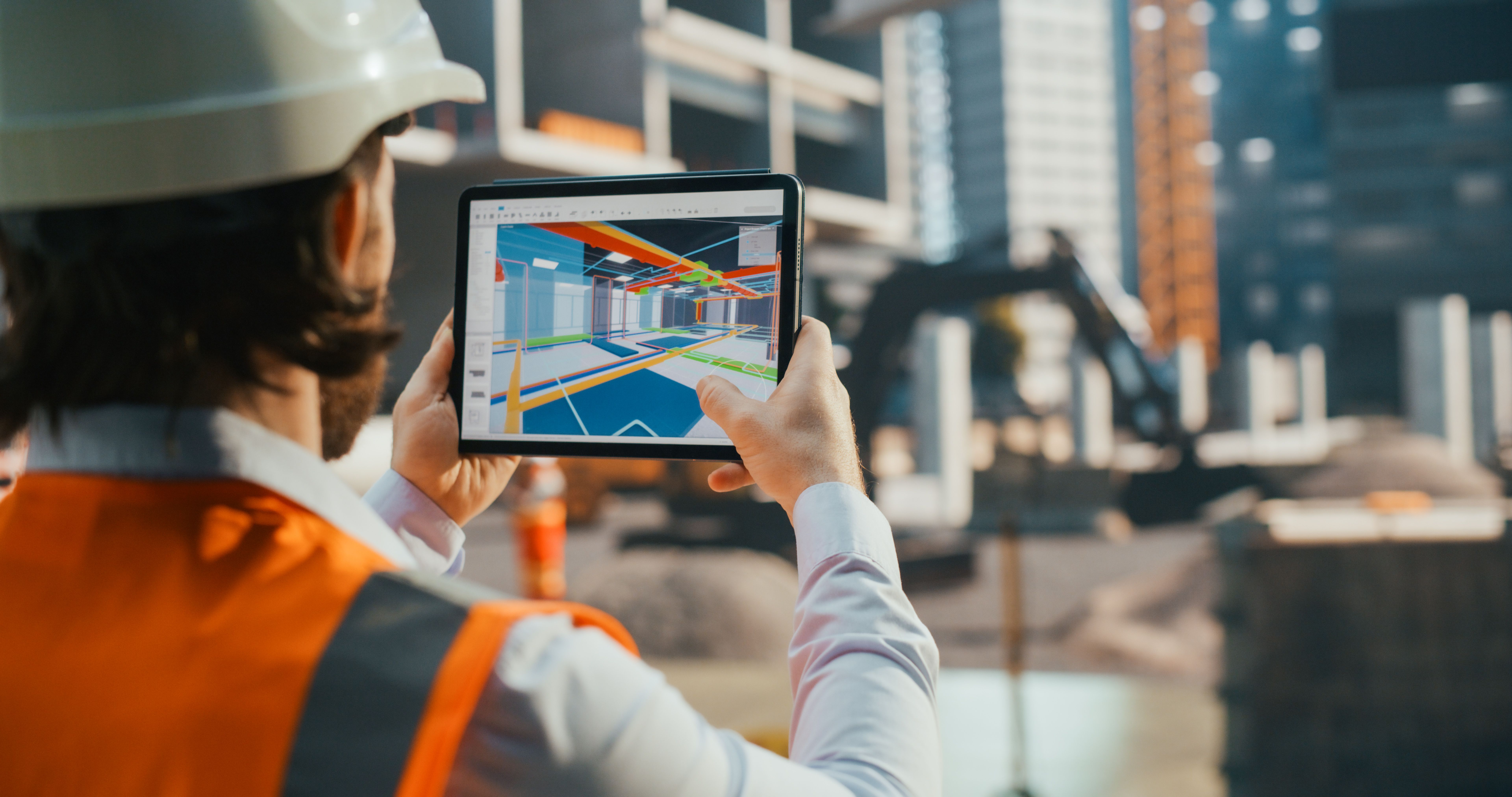
AI can enhance construction management by providing real-time data analysis and insights. This allows project managers to monitor progress more effectively, identify potential delays, and take proactive measures to keep projects on schedule.
- Real-time monitoring of construction sites.
- Predictive maintenance of machinery and equipment.
- Optimization of resource allocation and logistics.
Enhancing Sustainability and Energy Efficiency
AI-integrated BIM can aid in creating more sustainable and energy-efficient buildings. By analyzing data on energy consumption and environmental impact, AI can suggest design modifications that reduce energy use and carbon footprint.

Additionally, AI can help in simulating various environmental scenarios, enabling architects and engineers to design buildings that perform optimally in different conditions, further enhancing sustainability efforts.
The Future of AI in BIM
The future of AI in BIM is promising, with continuous advancements in technology expected to further transform the AEC industry. As AI becomes more sophisticated, its integration with BIM will lead to more innovative solutions and unprecedented levels of efficiency.
Embracing AI in BIM not only promises to streamline construction processes but also opens new possibilities for creative and sustainable building designs. The synergy between AI and BIM is set to redefine the future of construction.