
Comprehensive Guide to Sustainable Architecture in Presidency Division
Si
Understanding Sustainable Architecture
Sustainable architecture is a growing field that focuses on minimizing the environmental impact of buildings by enhancing energy efficiency and using eco-friendly materials. In the Presidency Division, this approach is becoming increasingly popular as more builders and architects are committed to creating structures that are both beautiful and sustainable. By integrating renewable energy sources and adopting green building practices, sustainable architecture aims to pave the way for a more environmentally conscious future.
One of the core principles of sustainable architecture is reducing the carbon footprint of buildings. This can be achieved through various means, such as using locally sourced materials, implementing passive solar design, and ensuring that buildings are well-insulated. Additionally, sustainable architecture often incorporates innovative technologies such as rainwater harvesting systems and green roofs, which help reduce the building's overall environmental impact.

Key Elements of Sustainable Architecture
Energy Efficiency
Energy efficiency is a cornerstone of sustainable architecture. In the Presidency Division, architects are increasingly employing strategies to maximize natural light and ventilation in buildings. This not only reduces reliance on artificial lighting and air conditioning but also lowers energy consumption significantly. The use of energy-efficient appliances and smart home technologies further contributes to reducing a building's energy demands.
Eco-Friendly Materials
Choosing materials with low environmental impact is crucial in sustainable architecture. Architects in the Presidency Division are turning to recycled or renewable materials such as bamboo, reclaimed wood, and recycled steel. These materials not only minimize waste but also often have a smaller carbon footprint compared to traditional building materials. Furthermore, using non-toxic paints and finishes improves indoor air quality, benefiting occupants' health.

Innovative Design Approaches
Biophilic Design
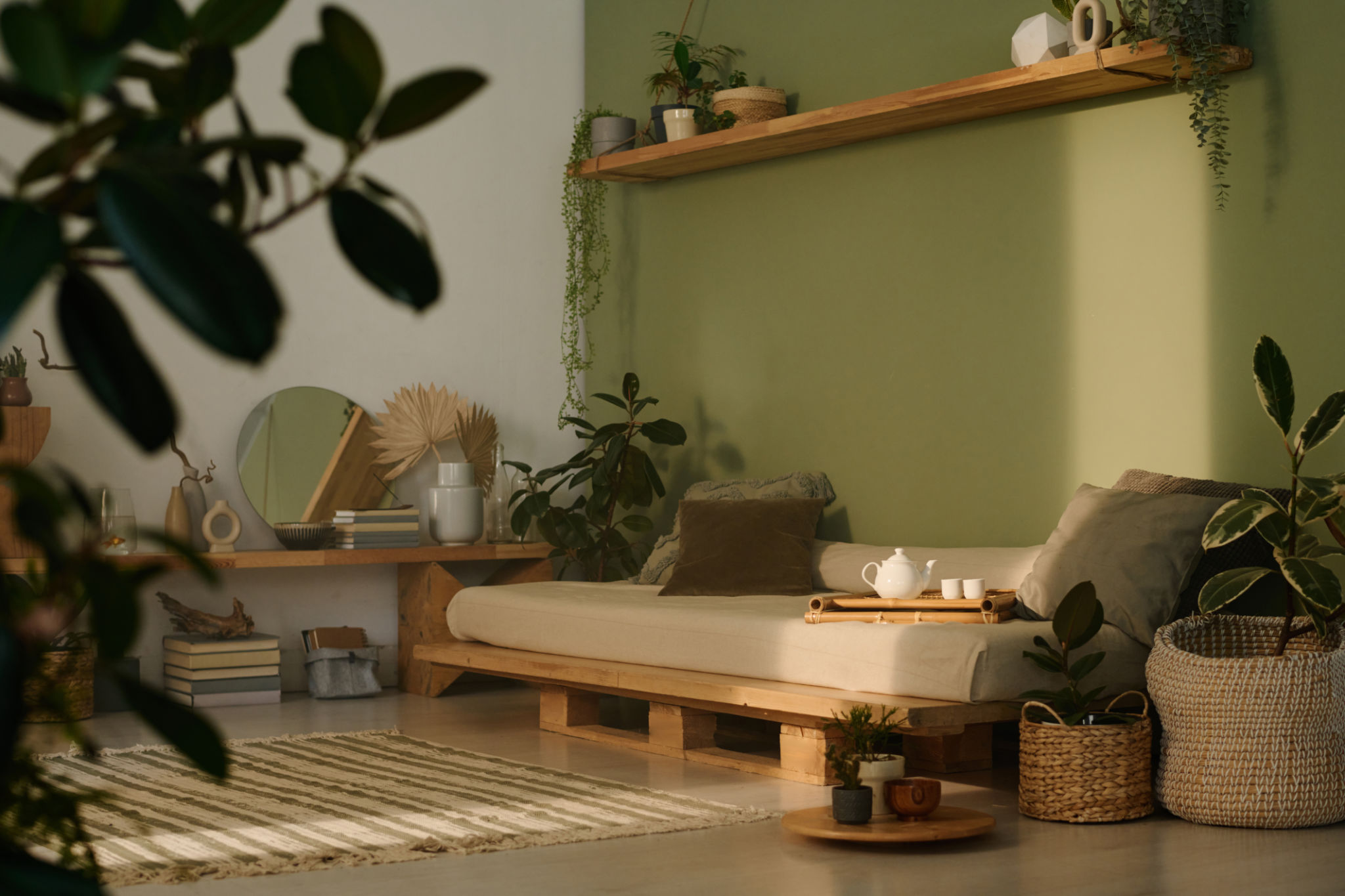
Biophilic design is an innovative approach that integrates natural elements into architectural spaces to enhance occupants' well-being. This includes incorporating indoor plants, natural light, and water features. In the Presidency Division, this design philosophy is gaining traction as it aligns with sustainable architecture's goals by promoting a connection with nature and improving mental health.
The integration of biophilic elements not only enhances aesthetic appeal but also contributes to energy efficiency by optimizing daylight use and improving air quality through natural ventilation. This approach effectively blends modern design with nature, creating harmonious living environments.
Smart Building Technologies
Smart technologies play a significant role in advancing sustainable architecture. In the Presidency Division, buildings equipped with intelligent systems that monitor and control energy usage are becoming more common. These systems can automatically adjust lighting, heating, and cooling based on occupancy and time of day, ensuring optimal energy efficiency. Additionally, smart water management systems help conserve water resources by detecting leaks and optimizing usage.
The Future of Sustainable Architecture in Presidency Division
The future of sustainable architecture in the Presidency Division looks promising as more architects and developers prioritize eco-friendly designs. Government incentives and increased awareness of environmental issues are driving this shift towards sustainability. The continued adoption of innovative technologies and materials will further enhance the efficiency and environmental friendliness of new buildings.
In summary, sustainable architecture in the Presidency Division is not just a trend—it's a necessity for a healthier planet. By embracing energy-efficient designs, eco-friendly materials, and innovative technologies, architects are setting a new standard for building practices that prioritize the environment without compromising functionality or aesthetics.
